The 1960s Music and Counterculture Movement
- Music Beat

- Apr 26, 2023
- 4 min read
The 1960s were a decade of radical change and innovation in music and culture. From the rise of rock and roll to the emergence of new genres like folk, soul, and psychedelic, the music of the 1960s reflected the social and political movements of the time. Here are some of the highlights of this musical revolution.

One of the most influential artists of the 1960s was Bob Dylan, who combined folk music with poetic lyrics and a rebellious attitude. Dylan's songs expressed his views on civil rights, war, and personal freedom, and inspired many other musicians to follow his example. Some of his most famous songs include "Blowin' in the Wind", "The Times They Are a-Changin'", and "Like a Rolling Stone".
Another major force in the 1960s music scene was The Beatles, who started as a pop group from Liverpool and became a global phenomenon. The Beatles experimented with different styles and techniques, such as using studio effects, incorporating classical elements, and writing concept albums. They also influenced the culture of the 1960s with their fashion, hairstyles, and attitude. Some of their most iconic albums include "Sgt. Pepper's Lonely Hearts Club Band", "Revolver", and "Abbey Road".
The 1960s also saw the birth of soul music, which combined elements of gospel, rhythm and blues, and jazz. Soul music was characterized by its emotional expression, rhythmic groove, and powerful vocals. Some of the pioneers of soul music were Ray Charles, Aretha Franklin, James Brown, and Otis Redding. Soul music also had a significant impact on the civil rights movement, as it celebrated black culture and identity.
Another genre that emerged in the 1960s was psychedelic rock, which was influenced by the use of drugs such as LSD and marijuana. Psychedelic rock aimed to create a sonic experience that mimicked the altered states of consciousness induced by these substances. Some of the features of psychedelic rock were distorted guitars, exotic instruments, complex arrangements, and surreal lyrics. Some of the bands that popularized psychedelic rock were The Doors, Pink Floyd, The Grateful Dead, and The Jimi Hendrix Experience.
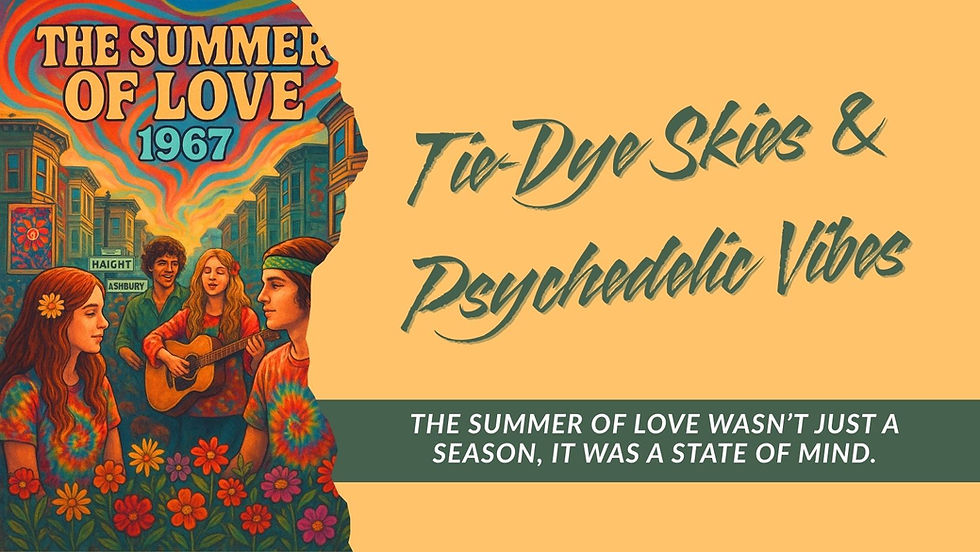
The Counterculture Movement of the 1960s was a social and cultural phenomenon that challenged the mainstream values and norms of American society. It was influenced by various factors, such as the civil rights movement, the Vietnam War, the Cold War, the sexual revolution, and the emergence of new forms of music, art, and literature.
The counterculture movement advocated for peace, love, freedom, equality, and individualism. It also experimented with alternative lifestyles, such as communal living, drug use, environmentalism, feminism, and spirituality. The counterculture movement had a significant impact on the politics, culture, and identity of America in the 1960s and beyond.
The 1960s was a decade of social and political change that shaped the modern world. Some of the issues that emerged in that era, such as civil rights, environmentalism, feminism, and anti-war activism, still influence American society today. The 1960s also challenged the authority and credibility of the federal government, which faced scandals, protests, and criticism from the public. The legacy of the 1960s is a complex and controversial one that continues to inspire debate and reflection.
The 1960s were a decade of musical diversity and creativity that shaped the culture and history of the world. The music of the 1960s was not only a form of entertainment, but also a way of expressing one's identity, values, and beliefs. The music of the 1960s was a soundtrack to a revolution.
Use Menu to Select Track
How to Be a Hippie in 5 Easy Steps
The counterculture movement of the 1960s was a time of social and political change, where people challenged the norms and values of mainstream society. Some of them became hippies, a subculture that embraced peace, love, and freedom. If you want to be a hippie today, here are some tips:
1. Dress like a hippie. Wear colorful clothes, tie-dye shirts, bell-bottom pants, headbands, and sandals. Accessorize with beads, feathers, flowers, and peace signs.
2. Listen to psychedelic rock music. Some of the most popular bands of the 1960s were The Beatles, The Rolling Stones, The Doors, Jimi Hendrix, and Grateful Dead. They experimented with new sounds and lyrics that expressed their views on society and spirituality.
3. Smoke some weed. Marijuana was widely used by hippies as a way to relax and expand their consciousness. It was also a symbol of rebellion against the laws and authorities that prohibited it.
4. Join a commune. Hippies lived in communal houses or farms, where they shared everything and practiced alternative lifestyles. They grew their own food, made their own clothes, and practiced free love.
5. Protest against war and injustice. Hippies were opposed to the Vietnam War and other forms of violence and oppression. They participated in marches, rallies, sit-ins, and other forms of civil disobedience. They also supported causes such as civil rights, feminism, environmentalism, and animal rights.
There you have it: five easy steps to be a hippie in the 21st century. Remember: the most important thing is to be yourself and follow your heart. Peace out!
Just some retired folk, filling our time, keeping our minds active with blogging. We are not selling anything. But a little recognition is nice. So, Join Us, and follow some of our Hobby Bloggers...
Featured at Retrotainment on Facebook
Related Digital Vinyl | BloggerNet Plus
There are some links to Amazon below, click on them or not, if you do thanks for your support. We don't really care; money is not our objective. But if you shop on Amazon, these links can save you money.


Comments