Philadelphia Transit Company PTC
- Liberty Belle

- Feb 14, 2023
- 2 min read
Updated: Feb 15, 2023
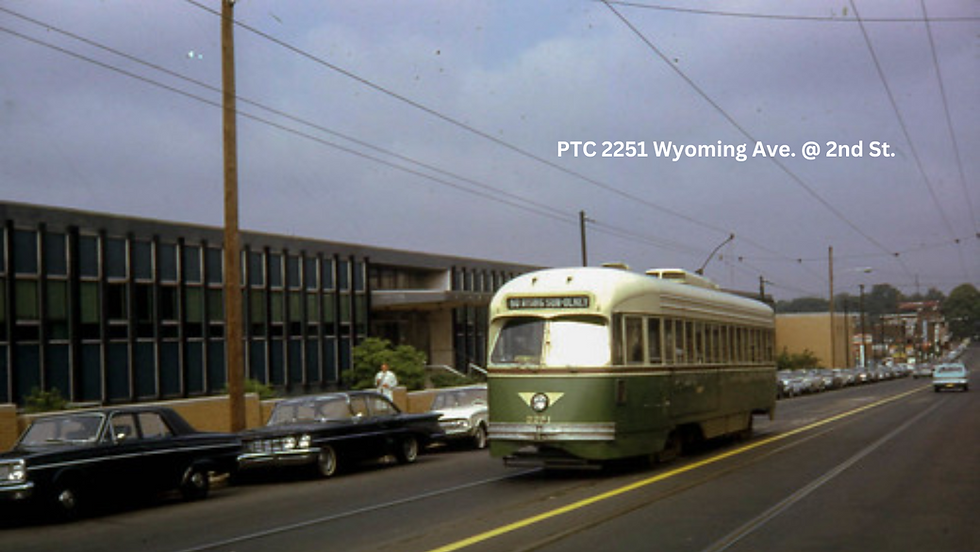
The Philadelphia Transit Company, or PTC, has a rich history as one of the oldest public transit providers in the United States. Founded in 1895, the company has played a significant role in shaping the city's public transportation landscape and continues to do so today.
PTC's early years were marked by the construction of new trolley lines and the electrification of existing ones. By 1907, the company had expanded its network to cover most of Philadelphia and the surrounding suburbs. Over the years, PTC has gone through many changes, including mergers and reorganizations, but it has remained a vital part of the city's infrastructure.
In the mid-20th century, PTC was one of the largest transit systems in the country, with a fleet of more than 1,500 trolleys and buses. However, the rise of the automobile and suburbanization led to a decline in ridership and revenue for PTC, and by the 1960s, the company was struggling to stay afloat.
In response, PTC underwent a series of transformations that helped it survive and eventually thrive in the decades that followed. In 1968, the company was reorganized as the Southeastern Pennsylvania Transportation Authority (SEPTA), which brought together several regional transit providers under one umbrella. This allowed SEPTA to coordinate service more effectively and offer riders more comprehensive options for getting around.
Today, SEPTA operate a variety of transportation services, including buses, trolleys, subways, and regional rail lines. The system serves millions of riders each year, connecting Philadelphia with its suburbs and neighboring cities.
SEPTA has also prioritized sustainability in recent years, working to reduce its carbon footprint and promote alternative modes of transportation. The company has introduced hybrid and electric buses, built bike parking facilities at its stations, and partnered with community organizations to promote biking and walking.
However, SEPTA has faced its share of challenges in recent years, including aging infrastructure, financial difficulties, and the COVID-19 pandemic. Despite these obstacles, the company has remained committed to providing reliable and accessible transportation to the people of Philadelphia and the surrounding areas.
Overall, the history of the Philadelphia Transit Company, now SEPTA, reflects the evolution of public transportation in the United States. From its early days as a trolley system to its current role as a comprehensive transit provider, SEPTA has adapted to changing times and needs while maintaining its commitment to serving the community. As Philadelphia continues to grow and change, SEPTA will undoubtedly play a critical role in shaping the city's transportation future.
Follow: Liberty Belle Liberty Belle on BloggerNet
Just some retired folk, filling our time, keeping our minds active with blogging. We are not selling anything. But a little recognition is nice. So, Join Us, and follow some of our Hobby Bloggers...
There are some links to Amazon below, click on them or not, if you do thanks for your support


Comments